

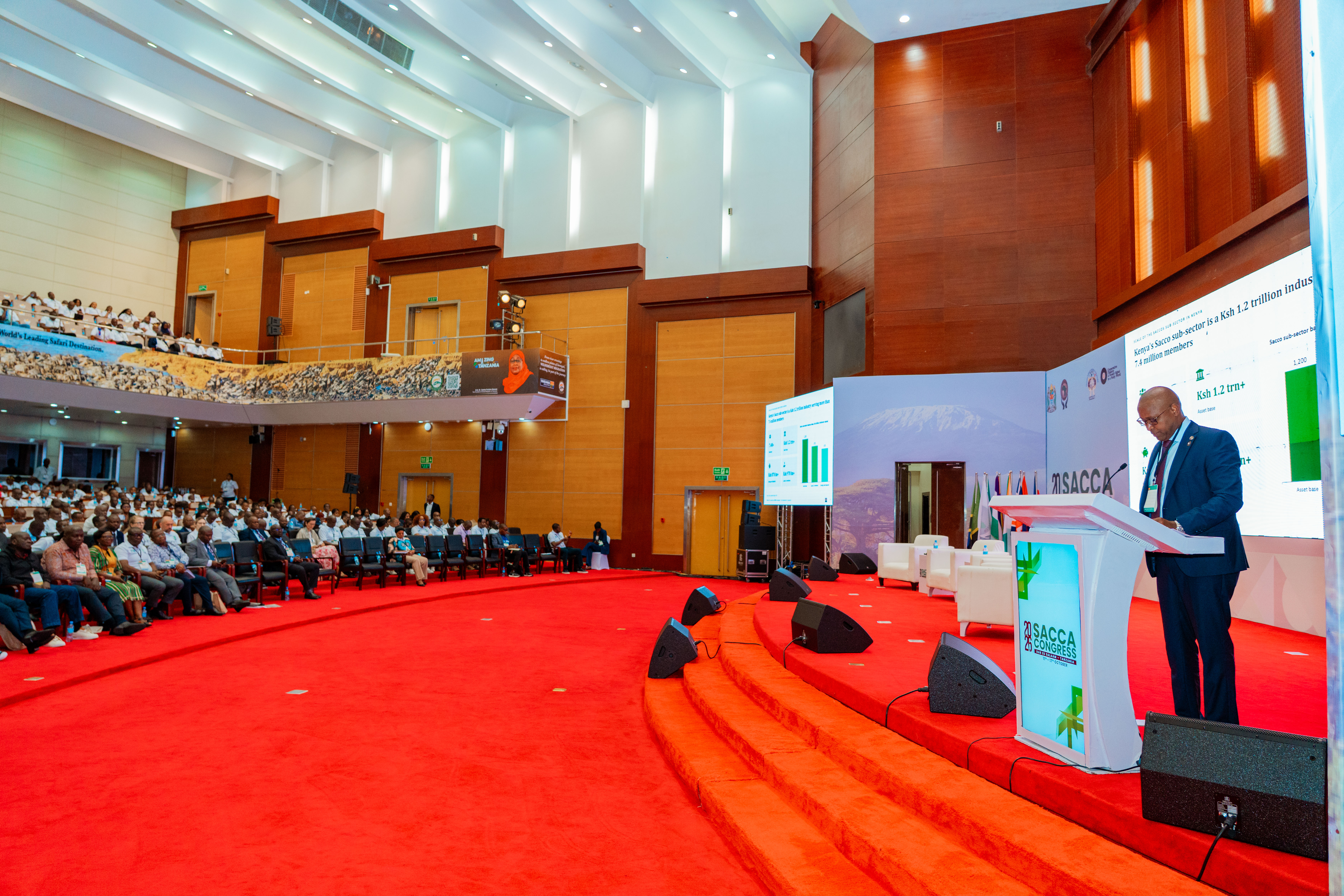



SCCULT (1992) LIMITED reflects on the SACCA Congress 2026 Dinner Gala, held on 16 October 2026, marking the closing day of the Congress at the conclusion of a week of engagement within the cooperative financial sector in Dar es Salaam, Tanzania.
The Dinner Gala provided an opportunity for delegates, cooperative leaders and other stakeholders to come together in a formal setting to celebrate the Congress, appreciate the value of collaboration and strengthen professional relationships within the cooperative movement.
Celebrating the SACCA Congress 2026
The SACCA Congress brought together stakeholders with a shared interest in the development and sustainability of Savings and Credit Cooperative Societies (SACCOS) and credit unions. The Dinner Gala marked a special occasion to reflect on the importance of continued engagement and cooperation across the financial cooperative sector.
As the final-day gathering, the event provided an opportunity to celebrate the collective commitment of stakeholders working to strengthen cooperative institutions and advance inclusive financial services across Africa.
Strengthening Relationships and Professional Networking
Strong relationships among cooperative institutions and their partners are essential to the continued development of the financial cooperative sector. Opportunities for engagement beyond formal conference sessions help strengthen professional connections, encourage the exchange of experiences and create a foundation for future collaboration.
The Dinner Gala brought the Congress experience to a close in a setting that recognised the importance of partnership, shared purpose and continued engagement among stakeholders in the cooperative financial community.
Recognising the Importance of the Cooperative Movement
SACCOS and credit unions play an important role in promoting savings, expanding access to financial services and supporting the economic well-being of their members and communities.
Celebrating the cooperative movement also means recognising the collective efforts of the institutions, professionals and partners who contribute to its development. Their continued engagement supports the advancement of stronger, more inclusive and sustainable financial cooperatives.
SCCULT's Commitment to Cooperation and Development
SCCULT (1992) Ltd remains committed to strengthening SACCOS in Tanzania through advocacy, capacity building, professional support, digital transformation and strategic partnerships.
Engagement with the wider cooperative financial community provides opportunities to exchange knowledge, build institutional relationships and explore approaches that support the evolving needs of SACCOS and their members.
The SACCA Congress 2026 Dinner Gala reinforced the importance of maintaining these relationships and working collectively towards the sustainable development of the cooperative financial sector.
Appreciation to Delegates and Stakeholders
SCCULT (1992) Ltd extends its appreciation to the participating delegates, cooperative institutions, partners and all stakeholders who contributed to the SACCA Congress 2026.
We recognise the importance of their participation and continued commitment to advancing cooperation, professional engagement and the development of financial cooperatives in Tanzania and across Africa.
Looking Ahead to a Stronger Cooperative Future
As the SACCA Congress 2026 comes to a close, SCCULT looks forward to sustaining the relationships established, building on shared knowledge and continuing to support initiatives that strengthen the cooperative movement.
SCCULT (1992) Ltd remains committed to advancing a strong, inclusive and sustainable cooperative financial sector through collaboration, innovation and continued institutional development.
Be the first to share your thoughts, feedback or perspective about this article.